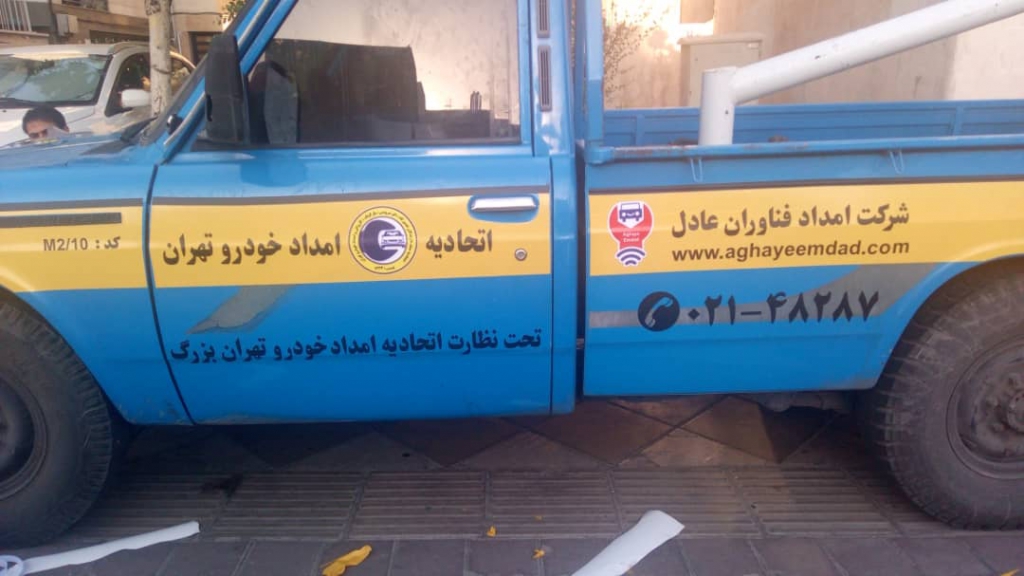
Integrated mobile-towing systems offer a powerful advancement in how towing services are delivered, merging smartphone-driven logistics with proven heavy-duty towing hardware. These integrated systems are crafted to address the growing demands of current emergency towing infrastructures, providing reduced wait periods, enhanced productivity, and stronger user trust.
One of the most notable advantages is the ability to send out vehicles instantly using GPS tracking and mobile applications. This ensures that the nearest available tow vehicle is sent to the scene, cutting down roadside frustration and maximizing vehicle deployment.
Beyond rapid response hybrid solutions provide automated incident reports and cloud-based logs. Drivers can capture photos of damage, record vehicle information, and submit calls instantly from their smartphones. This simplifies coordination between the field operator, control center, and claims agents, eliminating paper trails and the potential for errors. Customers benefit from real-time updates via SMS or mobile app alerts, which fosters confidence in the service being provided.
Another critical advantage lies in advanced analytics. By collecting information on incident density, accident-prone areas, frequent mechanical failures, and dispatch behavior, companies can make data-backed judgments about fleet distribution, shift planning, and even vehicle maintenance. Machine learning models can predict surge zones during rush hour congestion or storm events, allowing businesses to proactively position resources before incidents occur.
Mobile integration improves operational security. Mobile applications can warn of icy, flooded, or blocked routes or guide via optimal pathways. Some platforms connect to onboard diagnostics to monitor driver behavior, encouraging defensive driving habits and lowering collision rates. Furthermore, automated alerts can trigger 911 or local response if a vehicle breakdown occurs in a high-risk location, such as a tunnel.
In terms of cost efficiency, these solutions cut unnecessary spending by streamlining manual tasks and improving fuel efficiency through optimized routing. Maintenance costs are controlled by using condition-based warnings that indicate impending mechanical failure, extending vehicle life. Reimbursement workflows are expedited due to precise electronic documentation, which can lead to better coverage terms and prompt settlements for tow operators and vehicle owners.
Lastly, hybrid mobile-towing solutions support seamless growth. Whether a company operates a single vehicle or a multi-state network, these systems adapt effortlessly to growth. Field staff can be integrated swiftly with standardized digital training modules, and امداد خودرو coverage zones can be added without the need for extensive infrastructure changes. This adaptability makes hybrid solutions ideal for both small local operators and large national networks seeking to digitize their services.
All told, the merging digital innovation with conventional roadside aid creates a faster, efficient, and service-driven approach to roadside assistance. As traffic systems grow more intricate, and service standards climb, hybrid mobile-towing solutions are not just a convenience—they are turning into a standard requirement of reliable and professional towing services.